AI Procurement is where good technology strategy either turns into an awarded contract or stalls indefinitely. This guide collects the practical tools and processes agencies and vendors both need to understand to move an AI or cloud requirement from idea to award. To effectively navigate the complexities of AI procurement, it’s essential for stakeholders to engage in thorough market research, understand the unique challenges posed by AI technologies, and actively collaborate with technology experts. Furthermore, establishing a clear timeline and milestones can help manage expectations and keep the project on track.
Cloud Procurement Strategy for Local Government
Local governments navigating cloud procurement for the first time benefit most from starting with a clear statement of requirements and a realistic budget range, rather than issuing an open-ended request for proposals and hoping vendors self-scope it correctly. Additionally, including input from local stakeholders can help ensure that the needs of the community are accurately reflected in the procurement process. Engaging in pre-solicitation meetings can also provide valuable insights into vendor capabilities and innovative solutions tailored to local governance challenges. This strategy fosters a more collaborative environment, ultimately leading to better outcomes for the community.
-
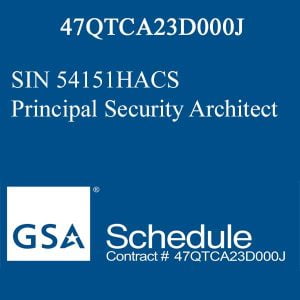 GSA SIN 54151HACS Principal Security Architect$153.15 / Per Hour
 -
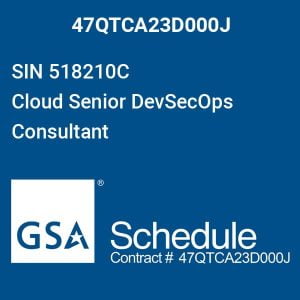 GSA SIN 518210C Cloud Senior DevSecOps Consultant$143.62 / Per Hour
 -
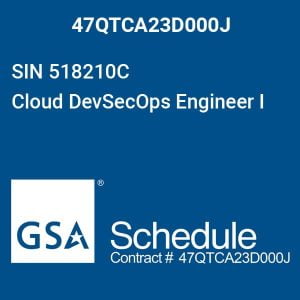 GSA SIN 518210C Cloud DevSecOps Engineer I$71.79 / Per Hour
Navigating the GSA Approved Vendor Process
Getting listed as a GSA approved vendor is a detailed, multi-step process, but it opens the door to a much faster ordering process for every future contract compared to competing through full and open procurements each time. Understanding the nuances of the application process, such as the importance of presenting a strong past performance record and providing complete documentation, is crucial for success. Additionally, maintaining compliance with GSA requirements post-approval is vital to ensure continued eligibility and competitiveness in future procurements. Agencies should also consider leveraging resources such as GSA training sessions and workshops to better understand the landscape and maximize their chances of becoming approved vendors.
AI Acquisition Strategies for Government Entities
Government entities acquiring AI capability need an acquisition strategy that accounts for the technology’s faster iteration cycle compared to traditional IT systems — a rigid multi-year contract structure can leave an agency locked into an outdated approach before the contract term even ends. Adopting an agile procurement framework can help agencies remain flexible and responsive to changing technological landscapes. Incorporating stakeholder feedback in the evaluation process can also enhance the alignment of AI solutions with real-world needs. Furthermore, establishing partnerships with AI innovators can foster a culture of continuous improvement and adaptation within government entities.

Unlock the future of intelligent applications with our cutting-edge Generative AI integration services!
Government AI Procurement Trends in AI Acquisition
Procurement trends across federal, state, and local government show a clear shift toward shorter task orders and modular contract structures for AI work, replacing the large, multi-year system integration contracts that used to dominate the space. These trends reflect a growing recognition of the need for agility and responsiveness in government contracting. Additionally, embracing innovative acquisition strategies, such as collaborative contracting and performance-based outcomes, can lead to more effective use of resources and improved service delivery. Keeping abreast of these trends is essential for agencies to remain competitive and effectively harness the benefits of AI technologies.
Faster Paths to Award for AI Requirements
Traditional full and open procurement isn’t the only path into a government AI contract. The Defense Innovation Unit has popularized the use of Other Transaction Authority (OTA) agreements specifically because they move faster than the standard Federal Acquisition Regulation process, which matters a great deal for AI capability that can become outdated over a multi-year traditional contract cycle.
Vendors and agencies that understand when an OTA fits better than a standard task order — and when it doesn’t — tend to move requirements from idea to award in a fraction of the time of those defaulting to the traditional path by habit.
AI Procurement FAQ
AI Procurement moves fastest when agencies start with a clear statement of requirements and a realistic budget range.
What Contract Vehicles Speed Up AI Procurement?
GSA Schedule task orders and Other Transaction Authority agreements both move faster than a full and open competition for AI capability.
Further Reading
- Cloud Procurement Strategies for Local Government
- How to Navigate the GSA Approved Vendor Process
- Artificial Intelligence Procurement: A Comprehensive Guide
For the contracting side of this process specifically, see our GSA AI Contracting guide.
Next Steps in AI Procurement
As agencies look to the future of AI procurement, it is crucial to develop a comprehensive roadmap that delineates the steps necessary to integrate AI solutions effectively. This includes assessing current capabilities, identifying gaps in technology and skills, and prioritizing investments that align with strategic goals. Conducting pilot projects can also provide valuable insights into the practical application of AI technologies within specific government functions. Collaboration with industry partners and academic institutions can further enhance the capacity for innovation and implementation of cutting-edge solutions in public service.
Conclusion: Embracing AI Procurement
In conclusion, embracing AI procurement requires a strategic approach that prioritizes adaptability, collaboration, and continuous learning. As government entities increasingly rely on AI technologies to enhance service delivery, the importance of understanding the procurement landscape becomes paramount. Agencies must be proactive in their efforts to stay informed about emerging trends, refine their procurement strategies, and build partnerships that facilitate successful AI integrations. By focusing on these core principles, government entities can pave the way for innovative solutions that not only meet current needs but also anticipate future challenges in public sector service delivery.
Already through procurement and ready to review pricing? See our GSA Schedule Rates & Services.